Culture · History · Sovereignty · Traditions

Native American Heritage Month

Celebrate Native American Heritage Month in November with the Shakopee Mdewakanton Sioux Community.

Honoring Contributions Past and Present

Since 1990, the month of November has been recognized as Native American Heritage Month, which honors the significant contributions Native people have made to the history, culture, and landscape of the United States. In addition to celebrating the historical contributions of Native people, the month also serves as a platform to raise awareness of the present-day achievements as well.

Each November since 2008, the U.S. has also observed the day after Thanksgiving as Native American Heritage Day, closing out the celebration of Native American Heritage Month. This civil holiday celebrates the vibrant cultures, traditions, and heritages of Native Americans while recognizing the many ways Native people and tribal nations continue to shape our communities and our country.

Magazine of the Shakopee Mdewakanton Sioux Community Wiċoṡkaŋ

Video Library Learn from the Community
Shakopee Mdewakanton Sioux Community 3 videos
Shakopee Mdewakanton Sioux Community Shield

Shakopee Mdewakanton Sioux Community Shield

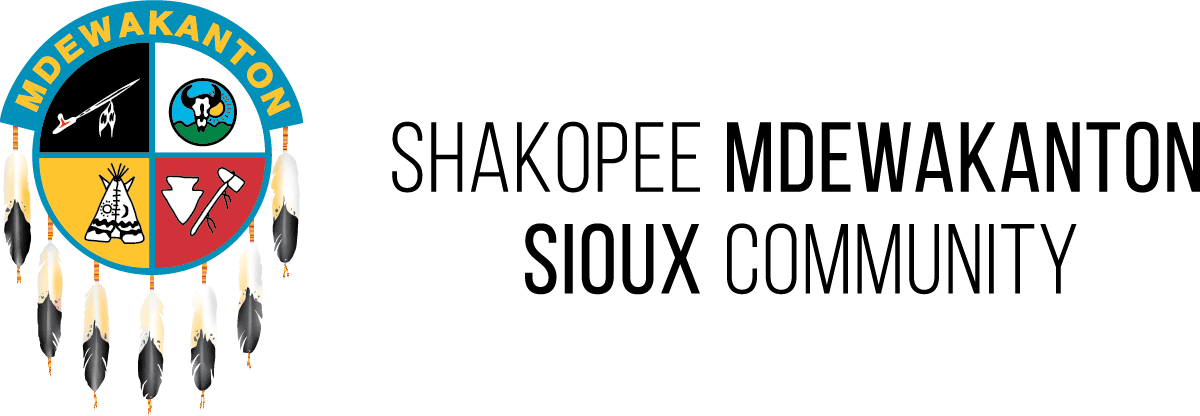
Traditionally, medicine shields were sacred objects decorated with symbolic designs that reflected the spiritual strength within the carrier. In modern times, shields represent different Native American communities with symbols specific to the values of the tribe. The seven feathers on the SMSC shield represent the Seven Council Fires, which make up the Great Sioux Nation of Dakota-Nakota-Lakota people.

Our Seven Dakota Values

Our Seven Dakota Values

The seven SMSC Dakota values are an explorative modality, teaching individuals how to live an emotionally, mentally, and spiritually healthy lifestyle. For centuries, these values have taught and guided the Dakota people to be the best they can be in any given situation. Furthermore, these values provide a cultural foundation that emphasize the importance of morally upright behavior within a greater community.

Dakota Culture 8 videos
Bark Lodge
Bark Lodge

Bark Lodge

Led by consultants from Great Lakes Lifeways Institute, SMSC Members and Hoċokata Ṫi staff built a bark lodge in May using traditional materials.

Constructed from elm bark and tamarack poles, the bark lodge will be used to revitalize seasonal lifeways plus provide a space for Community Member gatherings. Bark lodges once were predominant in the landscape along the Minnesota and Mississippi Rivers. The Dakota people are well known for living in tipis during the winter, however, the lodges were a more long-term home as part of camps that were active with planting, gathering, and hunting.

While the bark lodge is in a private area of Hoċokata Ṫi, visitors can see a replica and learn more about Dakota lifeways in the Mdewakanton: Dwellers of the Spirit Lake public exhibit.

The Significance of Eagles

The Significance of Eagles

Join Michael Kurtz, the Cultural Interpreter and Naturalist for Hoċokata Ṫi as he explores the history and significance of Waŋbdí, the eagle.

Lacrosse
Lacrosse

Lacrosse

As one of North America’s first sports, lacrosse was one of the most widely played games in the U.S. before European settlement. The Native game was an athletic competition of great skill, pride, and spiritual significance. Sometimes tribes played lacrosse—or stick ball—to celebrate important milestones, as a healing ritual, or to honor loved ones who passed away.

Moccasin Game
Moccasin Game

Moccasin Game

Learn more about the history of Háŋpa Apeda also known as the moccasin game and how it continues to be a cultural tradition at modern-day gatherings and powwows.

Dakota Artifacts
Dakota Artifacts

Dakota Artifacts

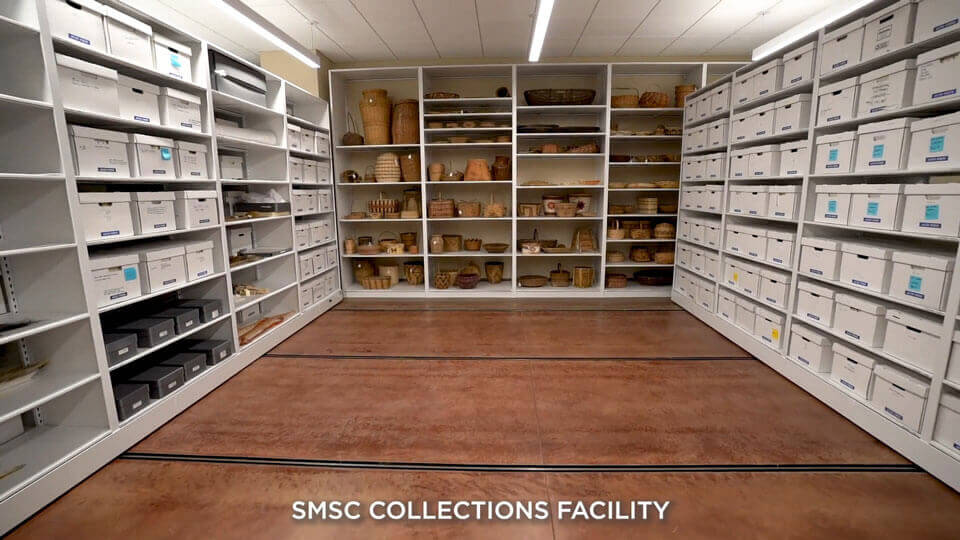
Dive into Dakota artifacts and learn about the daily items that were used in early Dakota lifeways. SMSC Director of Cultural Resources Leonard Wabasha shows us historic Dakota items, such as tools used for farming and clothing made from animal parts.

Dakota Moons
Dakota Moons

Dakota Moons

Moon cycles, or the period of time from one full moon to the next, were the basis for the Dakota calendar. These moon cycles provided the Dakota people with a guide to track time for seasonal events, such as peak harvest and hunting times. With guidance from the moons, Dakota people moved seasonally to hunt, harvest, and plant.

Wóyute Dakota Food Ways

Wóyute Dakota Food Ways

Learn the various ways corn is significant in Native American culture!

Dakota Language 2 videos
Dakota Language Interpretations of Minnesota Places – Part 1

Dakota Language Interpretations of Minnesota Places – Part 1

For centuries, Minnesota has played an important role in Dakota history and in stories of western settlement. Drop a pin anywhere on a map of Minnesota and it is likely that place has a Dakota name or was translated from the Dakota language.

Dakota Language Interpretations of Minnesota Places – Part 2

Dakota Language Interpretations of Minnesota Places – Part 2

This land called “Mni-sota” is home to the Dakota people. They have been intimately connected to the region within and beyond the boundaries of Minnesota before it was a state.

Want to Learn More?

Visit Hoċokata Ṫi

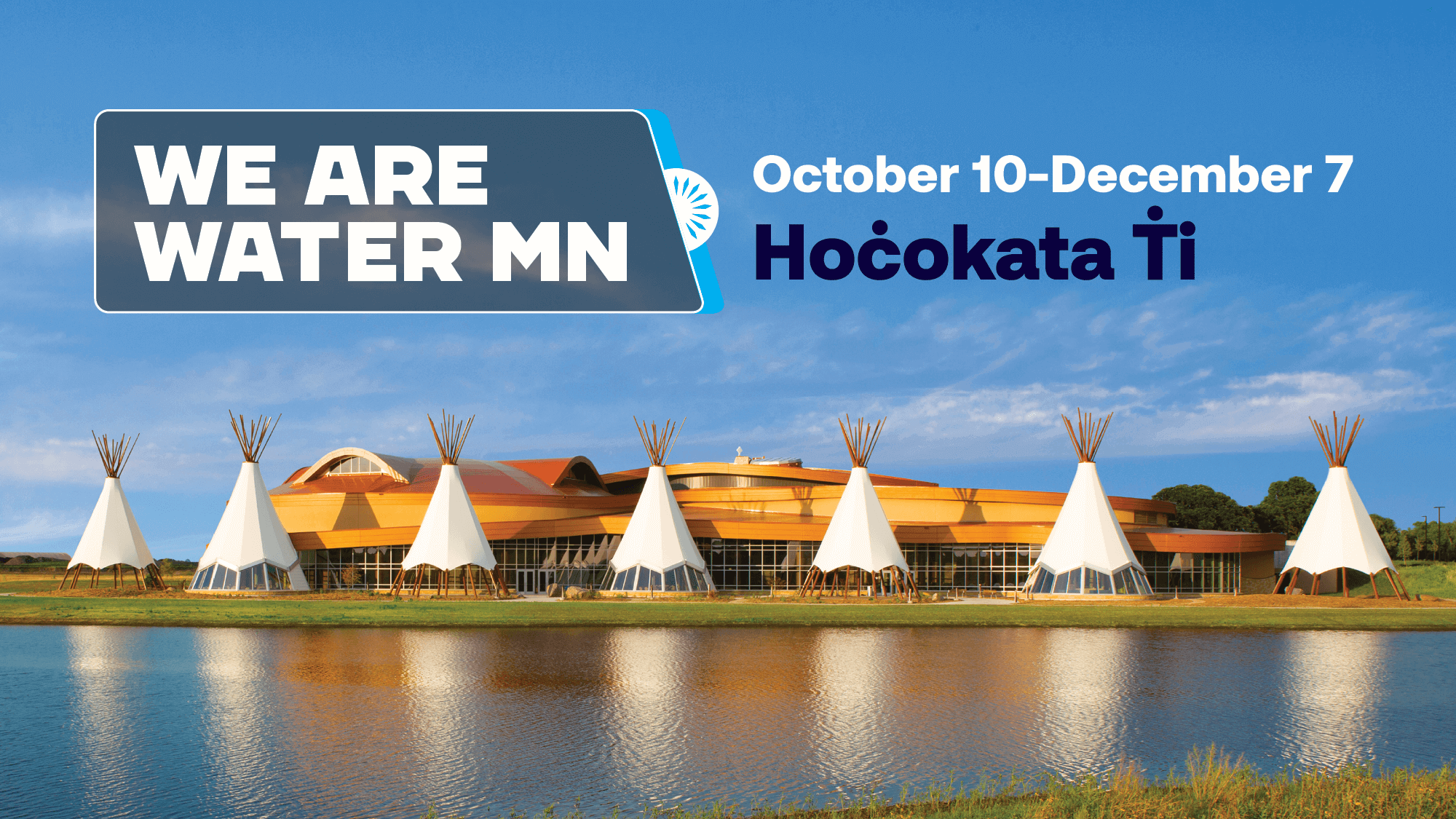
The SMSC's cultural center features a public exhibit, Mdewakanton: Dwellers of the Spirit Lakes, which provides visitors with an interactive experience that enhances their knowledge and understanding of the Mdewakanton Dakota people.

Plan Your Visit

Learn More Shakopee Mdewakanton Sioux Community
Learn about the Shakopee Mdewakanton Sioux Community's history, tribal government, enterprises, and more.
Discover More